How Shared Regulatory Structures Link Draw Lotteries with Dice Games Across U.S. Jurisdictions
Drew Keller · Sep 19, 2026
How Shared Regulatory Structures Link Draw Lotteries with Dice Games Across U.S. Jurisdictions
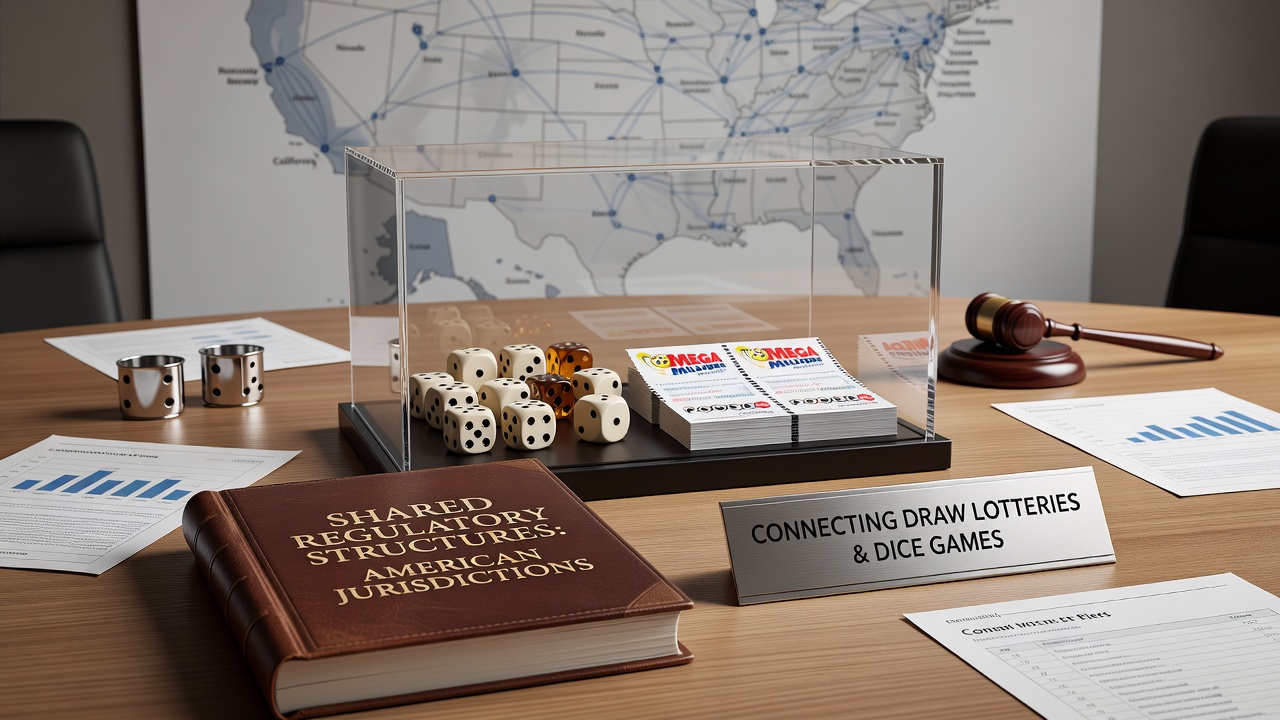
American jurisdictions have developed interconnected oversight systems that apply similar licensing, auditing, and compliance rules to both draw lotteries and dice games such as craps, and these frameworks continue to evolve through coordinated state agencies in September 2026.
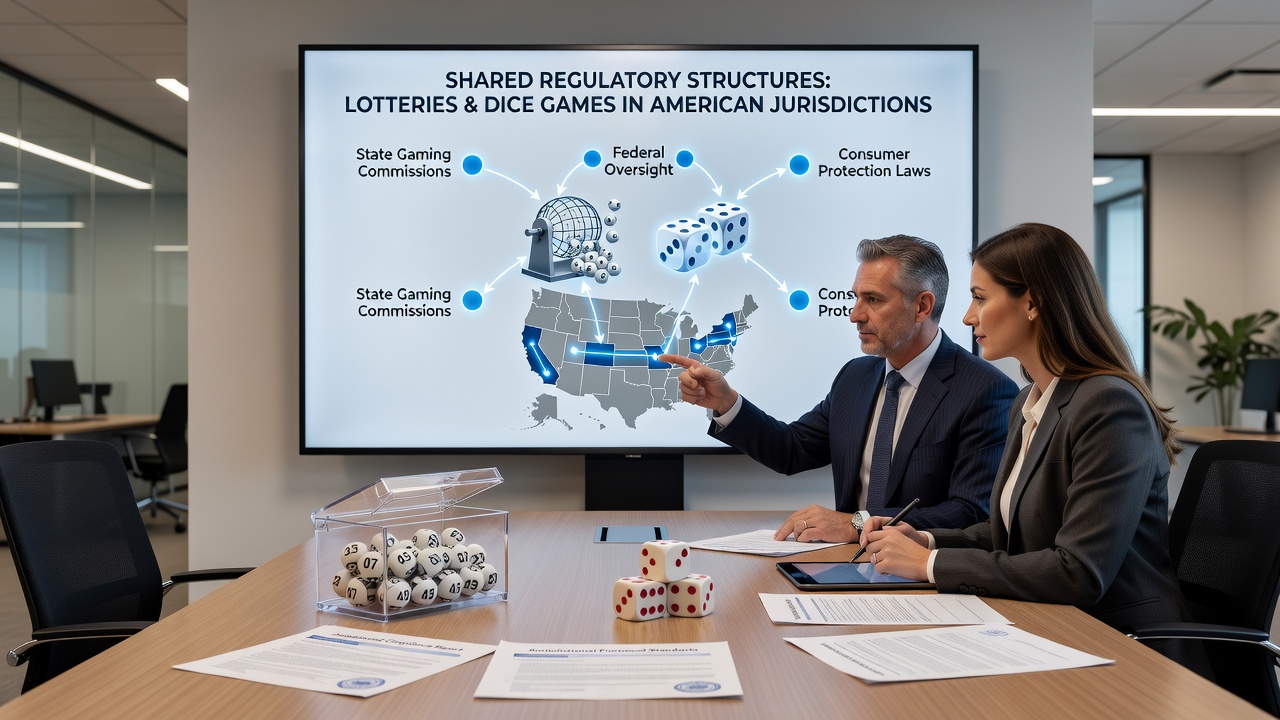
State gaming commissions typically manage lottery draws under the same administrative umbrella used for casino table games, which creates consistent standards for random number generation, vendor certification, and revenue reporting across both categories. Data from multiple state reports show that agencies in Nevada, New Jersey, and Pennsylvania require identical background checks and financial disclosure forms for operators handling either lottery terminals or dice tables.
Core Licensing Overlaps
One regulatory pattern appears when states issue a single master license that covers both lottery operations and casino gaming floors, allowing the same entity to manage draw-based products alongside dice games without separate application processes. Researchers at several universities have documented how this unified approach reduces administrative duplication while maintaining strict controls on prize pools and payout percentages.
Age verification protocols provide another shared element, with jurisdictions enforcing identical minimum age thresholds for lottery ticket purchases and dice game participation, often through centralized databases that track player eligibility across retail and digital channels. Figures released by state treasuries indicate that enforcement actions for age violations frequently cite both lottery retailers and casino floor supervisors under the same statutes.
Technical Standards and Auditing
Randomness testing requirements extend across both formats, with independent laboratories certifying lottery draw machines using the same statistical protocols applied to electronic dice shakers and random number generators in craps systems. Observers note that these labs submit quarterly compliance reports to the same regulatory bodies regardless of whether the equipment supports lottery draws or table game outcomes.
Revenue allocation formulas also demonstrate convergence, as states direct percentages of lottery proceeds and casino win from dice games toward identical public funds such as education or infrastructure accounts. In September 2026 several legislatures reviewed proposals to adjust these formulas using data sets that combine performance metrics from both sectors rather than treating them separately.
Multi-State Coordination Efforts
Interstate compacts and information-sharing agreements allow gaming regulators to apply consistent enforcement across borders when lottery draws and dice games operate under the same corporate umbrella, and these arrangements have expanded in recent years to include real-time data exchanges on suspicious activity reports. The National Indian Gaming Commission and various state tribal gaming offices participate in these networks, applying parallel standards to class III gaming that includes both lottery-style draws and traditional dice tables.
Problem gambling prevention programs represent another area of integration, with states funding treatment services through combined assessments on lottery sales and casino dice revenue, then delivering unified public awareness campaigns that address both product types without distinction. Academic studies from institutions in the Midwest and West Coast have examined how these pooled resources affect player behavior metrics across the two categories.
Recent Developments in September 2026
Legislative sessions held during September 2026 featured hearings on updating technical standards for digital lottery platforms and online dice interfaces under single rulemaking packages, reflecting ongoing efforts to streamline oversight as more jurisdictions authorize expanded offerings. Industry associations such as the American Gaming Association have submitted comments highlighting how existing shared structures already accommodate these technological shifts.
Compliance officers report that audits conducted in the first half of 2026 routinely examined lottery draw integrity alongside dice game fairness within the same facility visits, reducing the total number of inspections required while preserving detailed scrutiny of each segment.
Conclusion
American regulatory systems continue to demonstrate practical linkages between draw lotteries and dice games through unified licensing, technical certification, revenue distribution, and enforcement mechanisms administered by state and tribal authorities. These shared structures support consistent consumer protections and operational efficiencies across jurisdictions as of September 2026.