From Dice Tables to Draw Games: Tracing Legal Pathways That Define Gaming Choices in Regulated Areas
Finley Müller · Oct 31, 2026

From Dice Tables to Draw Games: Tracing Legal Pathways That Define Gaming Choices in Regulated Areas
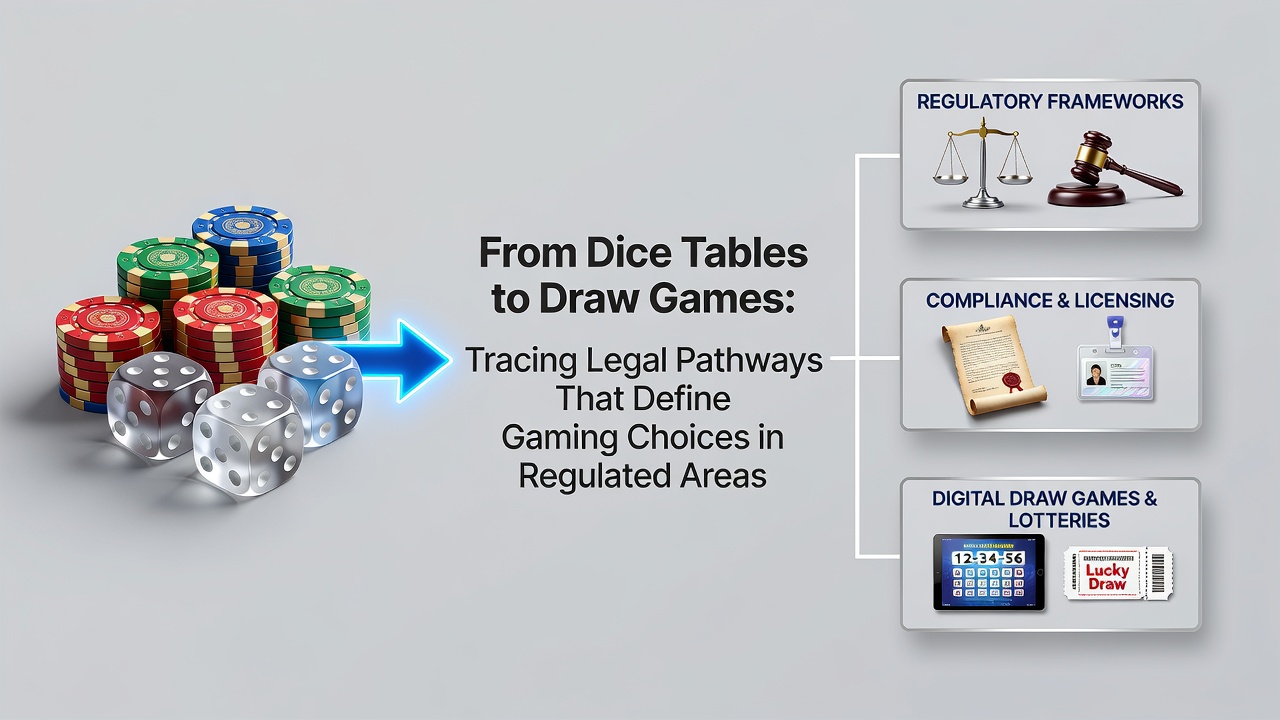
Legal frameworks in regulated gaming jurisdictions establish clear boundaries around which games operators may offer, and these rules have evolved from early approvals for dice-based table games to structured pathways for draw-based formats that include lotteries and keno variants. Data from multiple oversight bodies shows that each jurisdiction maintains distinct approval processes that determine whether a game reaches the floor or remains restricted, creating measurable differences in available options across regions.
Early Regulatory Approvals for Dice Tables
States such as Nevada and New Jersey established initial licensing criteria in the mid-twentieth century that required physical equipment standards, dealer training protocols, and house-edge disclosures before dice tables could operate in licensed casinos. Those requirements focused on preventing tampering and ensuring transparent odds calculations, which in turn shaped the types of wagers permitted at each table. Observers note that similar standards later appeared in tribal compacts negotiated under the Indian Gaming Regulatory Act, where dice games received approval only after independent testing labs verified compliance with state-specific technical rules.
Expansion Toward Draw Game Formats
Draw games entered regulated environments through separate legislative channels that often involved state lottery commissions or dedicated gaming control boards rather than casino licensing divisions. In many jurisdictions the legal pathway required legislative authorization for random-number generators, prize-pool structures, and retailer agreements before operators could introduce keno or similar draw products inside casino facilities. Figures released by the National Council of Legislatures indicate that thirty-eight U.S. states had authorized some form of draw game by October 2026, yet only twenty-two permitted those games inside commercial casinos, illustrating how statutory language continues to segment product availability.
Comparative Pathways Across Jurisdictions
Canadian provinces illustrate a contrasting model where provincial lottery corporations control both draw games and certain table offerings, producing unified approval pipelines that differ from the multi-agency reviews common in the United States. European member states, operating under the broader framework of the European Commission’s gambling directives, require game-by-game notifications that emphasize consumer-protection measures such as maximum stake limits and mandatory payout reporting. These divergent processes result in distinct menus of games: dice tables appear more frequently in U.S. commercial casinos, while draw formats dominate in jurisdictions where lottery authorities hold primary oversight.
Industry reports compiled by the Canadian Gaming Association document that integrated regulatory reviews in Ontario reduced average approval timelines for new draw variants from eighteen months to nine months between 2022 and 2026, a change that coincided with expanded placement of electronic draw terminals on casino floors. In contrast, several U.S. states continue to mandate separate legislative amendments before any new draw mechanic can be added to an existing casino license.
Technical and Compliance Requirements
Both dice tables and draw games must undergo laboratory certification that verifies random outcome generation and accurate prize calculation, yet the documentation thresholds differ. Dice equipment faces stricter physical inspection standards because of the tangible nature of the dice and the potential for bias through wear or alteration. Draw systems, operating through certified random-number generators, encounter additional scrutiny around prize-pool accounting and multi-jurisdictional pooling agreements. Regulatory filings show that operators must submit updated mathematical models and payout tables each time a game variant changes, regardless of format.
Those who study licensing patterns observe that jurisdictions with centralized gaming commissions tend to process table-game modifications faster than draw-game additions, while states that separate lottery and casino oversight often reverse that timeline. The resulting patchwork determines which products reach players in any given location and influences how operators allocate floor space between table pits and draw terminals.
Conclusion
Legal pathways in regulated areas continue to shape the balance between dice tables and draw games through distinct approval mechanisms, technical standards, and jurisdictional priorities. Data collected by oversight agencies demonstrates that these frameworks produce measurable differences in product availability across regions, with each regulatory model maintaining its own criteria for licensing, testing, and ongoing compliance. As additional jurisdictions revise statutes in the coming years, the documented patterns suggest that the range of permitted games will remain closely tied to the specific legal routes established by each governing body.